Zero waste sounds extreme. It isn’t.
It doesn’t mean producing absolutely no trash. It doesn’t mean fitting your waste into a jar. And it definitely doesn’t mean changing your entire life overnight.
Zero waste simply means reducing what you send to landfill as much as you realistically can.
That’s all.
It’s about being more aware of what you buy, what you use, and what you throw away. It’s about choosing reusable over disposable when possible. It’s about preventing waste before it happens.
You don’t have to be perfect. You don’t have to do everything at once.
Zero waste is not a rulebook.
It’s a direction.
In this guide, we’ll break it down clearly, simply, and practically so it feels doable, not overwhelming.
The Real Definition of Zero Waste (Beyond the Aesthetic)
Zero waste did not begin with social media trends. It started in industrial design and environmental planning.
The idea was simple: create systems where materials are reused instead of sent to landfill or incineration. In other words, design waste out of the system.
According to the Zero Waste International Alliance, zero waste means conserving resources through responsible production, consumption, reuse, and recovery, without harming the environment. You can read their full definition on their official website.
Notice the focus on systems. It is not about one person producing zero trash.
The word “zero” is a goal, not a literal target. In modern life, avoiding all waste is unrealistic. The real aim is reduction and better design.
Once you understand that, zero waste shifts from guilt to awareness. It becomes less about being perfect and more about making smarter, lower-waste choices where you can.
Zero Waste vs Sustainable Living vs Low Waste – What’s the Difference?
These terms are often used interchangeably. But they’re not exactly the same. Understanding the difference makes everything feel clearer and less confusing.
Sustainable Living Is the Bigger Picture
Sustainable living is the broader lifestyle approach. It looks at how your daily choices affect the planet over time.
It includes climate impact, energy use, water conservation, ethical buying, food systems, and responsible consumption. Waste reduction is part of it, but it’s only one piece.
If you want a deeper look at this wider approach, you can explore our Sustainable Living category for practical guidance that connects all these areas together.
Think of sustainable living as the umbrella. Waste is one section under it.
Low Waste Is the Bridge
Low waste is the realistic starting point for most people.
It focuses on reducing what’s easy and practical first. Saying no to single-use plastics. Carrying a reusable bag. Avoiding unnecessary packaging. Finishing what you already own.
It doesn’t aim for perfection. It aims for progress.
For many households, low waste is the most sustainable long-term approach because it fits naturally into everyday life.
Zero Waste Is a Systems Mindset
Zero waste goes a step further.
It’s not just about reducing trash at home. It’s about asking a bigger question: how can waste be designed out altogether?
This is where circular thinking comes in. Instead of the usual pattern, make, use, throw away, zero waste supports systems where materials stay in use for as long as possible.
It’s less about personal purity and more about rethinking how products are made, used, and recovered.
All three ideas connect.
Sustainable living is the big picture.
Low waste is the entry point.
Zero waste is the long-term design goal.
You don’t have to choose one label. They naturally overlap as you grow.
The 5Rs of Zero Waste (And How They’ve Quietly Evolved)
The 5Rs give you a clear order of action. The sequence matters because the biggest impact comes first.
Refuse
Refuse what you don’t need. Extra packaging, disposable freebies, impulse buys. The simplest way to reduce waste is to stop it from entering your home in the first place.
Reduce
Reduce what you do bring in. Buy less. Choose better. Focus on quality over quantity. Lower consumption automatically means lower waste.
Reuse
Reuse what already exists. Containers, bags, clothing, electronics, furniture. Extending the life of what you own reduces demand for new production.
Recycle
Recycle only after the first three steps. Recycling helps, but it is not the main solution. It requires energy, sorting systems, and proper infrastructure. Many materials are not recycled effectively. In a culture built on overproduction, recycling alone cannot keep up.
Rot
Rot refers to composting organic waste. Food scraps and natural materials can return to the soil instead of sitting in landfill where they produce harmful emissions.
How the 5Rs Have Evolved
As awareness has grown, the framework has expanded beyond the original five.
Repair
Fix items instead of replacing them. Repair culture reduces waste and saves money.
Rethink
Question habits before buying. Do you need it? Is there a lower-waste option? This mindset often prevents waste before it happens.
Regenerate
Support systems that restore natural cycles, such as composting, soil health, refill models, and circular production.
The key shift is this: recycling is not the starting point. Refusing, reducing, and reusing carry the most impact. When you focus there, zero waste becomes less about managing trash and more about preventing it.
What Zero Waste Actually Looks Like in Real Life
Zero waste sounds big in theory. In real life, it looks much simpler. It’s not about dramatic lifestyle changes. It’s small adjustments that slowly become normal.
Here’s what it often feels like in everyday spaces.

In the Kitchen
This is where most household waste happens, so it’s also where change feels visible.
Zero waste in the kitchen starts with food awareness. You plan meals more intentionally. You check what you already have before buying more. Leftovers get used instead of forgotten.
Composting becomes practical, not perfect. Even if you can’t compost everything, diverting some food scraps from landfill makes a difference.
Bulk buying helps when it’s convenient and accessible, not as a rule, but as an option. And cooking intentionally reduces both packaging waste and food waste.
It’s less about being flawless and more about being mindful.
In the Bathroom
Bathroom waste is often packaging-heavy.
Zero waste here might mean switching to refillable products when available. It could mean trying bar soaps or shampoo bars instead of plastic bottles. It might mean choosing reusable alternatives for everyday items.
You don’t need to replace everything at once. The shift usually happens as products run out.
It feels gradual, not drastic.
In Your Wardrobe
Fast fashion creates massive waste, often invisible to us.
Zero waste in clothing looks like buying less and choosing pieces you’ll actually wear long-term. It means repairing small damages instead of discarding items immediately. It also means stepping away from trend cycles that encourage constant replacement.
The goal isn’t minimalism for the sake of it. It’s slowing down consumption.
In Your Digital Life
Waste isn’t only physical.
E-waste grows quickly when devices are replaced frequently. Holding onto electronics longer, repairing when possible, and recycling responsibly matters more than most people realise.
There’s also invisible consumption, constant upgrades, impulse online purchases, digital storage habits that drive data centre energy use.
Zero waste here means asking: do I need to replace this, or is it just habit?
In real life, zero waste doesn’t look extreme. It looks thoughtful. It looks like small decisions made consistently. Over time, those small decisions add up.
The Psychology of Waste – Why We Throw So Much Away
Waste is not only about bins and packaging. It’s also about behaviour.
Most of us don’t throw things away because we don’t care. We do it because modern life is designed for convenience.
Convenience Addiction
Fast delivery, ready-to-use products, single-use packaging. Everything is built to save time. Over time, convenience becomes the default. We stop noticing the waste attached to it.
Choosing reusable options often feels harder at first because it interrupts that autopilot mode.
Emotional Shopping
Sometimes we don’t buy because we need something. We buy because we feel something. Stress, boredom, excitement, comparison.
The purchase gives a small emotional lift. The packaging and product eventually become clutter. Then waste.
Recognising this pattern is powerful. It’s not about guilt. It’s about awareness.
Scarcity Mindset
Many of us grew up hearing, “What if you need it later?” So we hold onto items or buy extras “just in case.” Sales and bulk deals reinforce this thinking.
Ironically, this often leads to overbuying, expired products, and more waste.
“Just in Case” Buying
This is closely linked to scarcity thinking. We buy backups before finishing what we already have. We stock up without a clear plan. Some of it gets used. Some of it doesn’t.
Zero waste gently challenges this habit by asking, can I use what I already own first?
Marketing Influence
Advertising is powerful. It constantly tells us we need upgrades, new versions, improved designs. Packaging is created to look fresh and appealing.
When consumption is constantly encouraged, disposal becomes normalised.
Habit Loops and Identity
Much of our behaviour runs on habit. Buy, use, throw away. Repeat.
Zero waste works best when it becomes part of identity rather than a temporary challenge. When you start seeing yourself as someone who values reuse or mindful buying, decisions become easier.
Understanding the psychology behind waste helps you step back. It removes shame and replaces it with clarity.
You’re not “bad” at sustainability. You’ve simply been living in a system designed for disposal.
Once you see that, you can begin to choose differently, one decision at a time.
Is Zero Waste Expensive? The Money Conversation No One Explains
This is one of the biggest questions people have, and it’s valid. At first glance, zero waste can look expensive. Refillable containers, stainless steel products, higher-quality items, they often cost more upfront.
But the full picture is more nuanced.
Where You Save Money Long-Term
Buying fewer disposable products reduces repeat spending. Reusable water bottles, food containers, cloth towels, and menstrual products are one-time purchases that replace ongoing costs. Cooking at home, reducing food waste, and repairing instead of replacing also lower expenses over time.
Often, zero waste aligns naturally with spending less.
Why Upfront Swaps Can Feel Costly
The initial shift can feel expensive because you’re replacing systems, not just products. A durable item usually costs more than a single-use version. That difference is visible immediately, even if it saves money later.
The key is gradual change. Replace items only when they run out or break. That keeps costs manageable.
The Hidden Cost of Convenience
Convenience often costs more than we realise. Pre-packaged foods, fast fashion, constant upgrades, and impulse online purchases quietly drain budgets. Disposable culture encourages frequent buying.
When you slow down consumption, you often slow down spending.
How Zero Waste Can Protect Your Finances
Zero waste encourages intentional buying. Fewer impulse purchases. More thoughtful decisions. Longer product life.
Over time, this builds financial stability. You buy less, waste less, and replace less often.
So is zero waste expensive? It can feel that way at the beginning. But when approached slowly and practically, it often becomes a money-saving lifestyle rather than a costly one.
The Biggest Myths That Make People Quit
A lot of people give up on zero waste before they even begin. Not because it’s impossible, but because of the myths surrounding it.
Let’s clear a few of them calmly and honestly.
“You must fit your trash in a jar.”
The glass jar image is powerful, but it’s not the standard. It represents one person’s extreme reduction, not a rule everyone must follow. Zero waste is about lowering impact, not competing for the smallest trash pile. If your waste reduces by half, that’s progress. It doesn’t need to fit in a container.
“It’s only for privileged people.”
Access does matter. Not everyone has bulk stores, composting space, or refill stations nearby. But many zero waste actions cost nothing, buying less, repairing more, using what you already have. It’s not about aesthetic swaps. It’s about reducing unnecessary consumption within your reality.
“Recycling solves everything.”
Recycling helps, but it cannot keep up with the volume of modern production. Many items are never recycled properly. Focusing only on recycling ignores the larger issue of overconsumption. Prevention matters more than processing waste later.
“It’s all or nothing.”
This belief stops more people than anything else. You don’t need to do everything. Even small shifts, reducing food waste, refusing unnecessary packaging, extending product life, make a difference. Zero waste works on a spectrum, not a pass-or-fail system.
“You can’t have a normal life.”
You can. You can travel, have children, work full-time, and still reduce waste. Zero waste does not require isolation or extreme minimalism. It simply means making more intentional choices within your normal routine.
When these myths fall away, zero waste feels less intimidating. It becomes something you grow into, not something you have to achieve perfectly from day one.
Why Individual Effort Isn’t the Whole Story
It’s important to say this clearly: individuals did not create the waste crisis alone.
Corporate Production Waste
Large-scale manufacturing produces enormous amounts of waste before products even reach consumers. Industrial processes, excess packaging, and supply chain losses happen far upstream. By the time something lands in your shopping cart, waste has already been generated.
Packaging Systems
Many products are designed with single-use packaging built in. Consumers often don’t have a packaging-free option. The system makes disposal easy and reuse difficult.
Policy and Infrastructure
Recycling and composting depend on local infrastructure. In some areas, facilities are limited or inconsistent. Without supportive policies and investment, even well-intentioned households face barriers.
Extended Producer Responsibility
There is growing conversation around holding manufacturers responsible for the full life cycle of their products. When companies design for reuse and recovery, waste reduces at scale. System-level change matters.
Why Your Effort Still Matters
Recognising systemic responsibility does not cancel individual action. It simply places it in context. Personal choices send signals to markets. They support better businesses. They reduce immediate household waste. They also build awareness that encourages broader change.
Zero waste is not about carrying the burden alone. It’s about participating in a shift while understanding that lasting change requires both individual habits and structural reform.
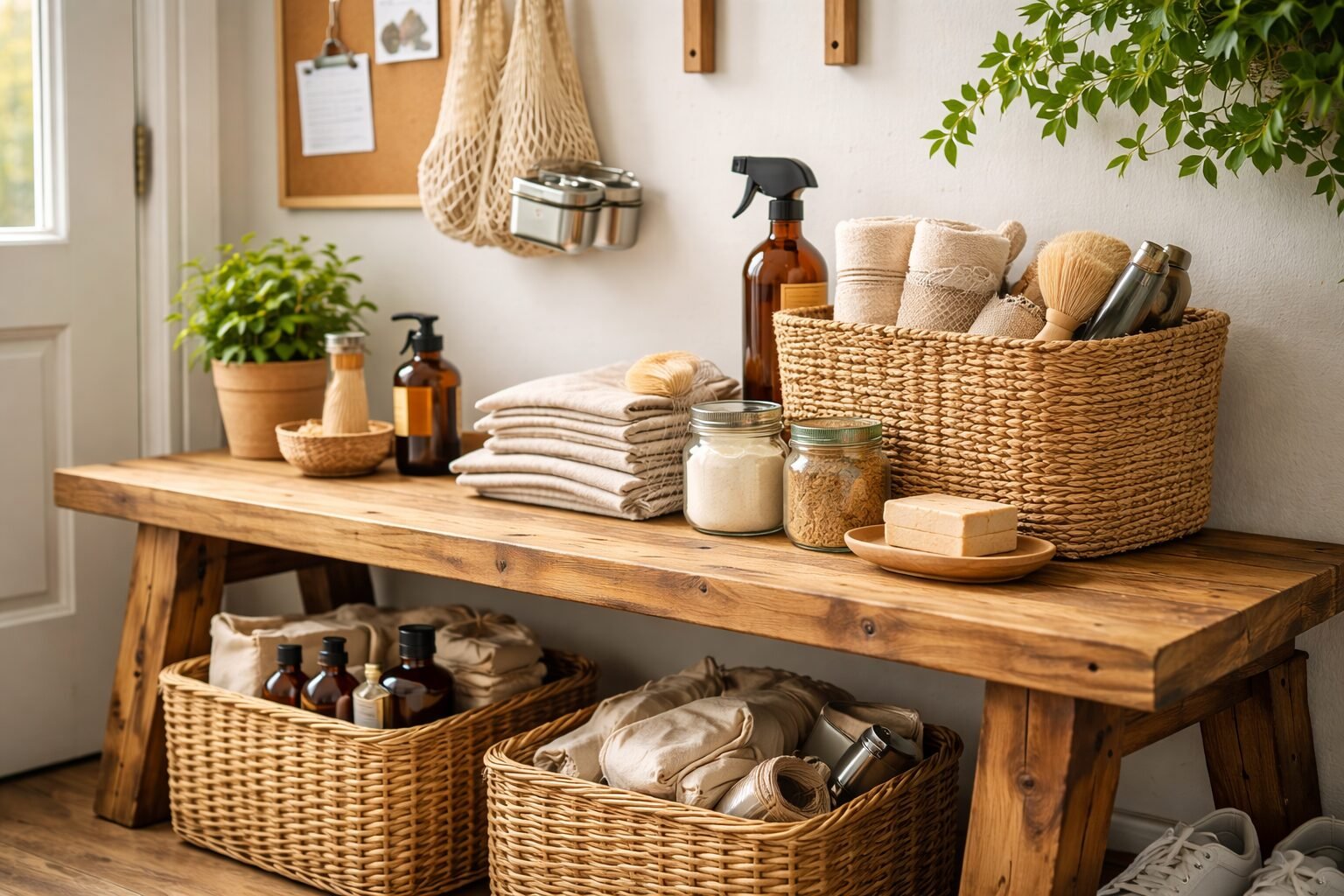
How to Start Zero Waste Without Burning Out
Starting is often the hardest part. Not because it’s complicated, but because it can feel overwhelming. The key is to move slowly and realistically.
Step 1: Notice Your Waste (No Shame)
Before changing anything, simply observe. What fills your bin most often? Food scraps? Plastic packaging? Delivery boxes?
This is not about judging yourself. It’s about understanding your patterns. Awareness alone often leads to small, natural changes.
Step 2: Replace What You Already Use
Don’t throw everything away to “start fresh.” That creates more waste.
Instead, wait until something runs out or breaks. Then look for a lower-waste option. This keeps the process affordable and manageable.
Step 3: Focus on High-Impact Swaps
Some changes make a bigger difference than others. Reducing food waste, avoiding single-use plastics, and extending product life often have more impact than buying aesthetic eco-products.
Start where waste is highest in your home. Small, strategic shifts work better than random swaps.
Step 4: Build One Habit at a Time
Trying to change everything at once leads to burnout. Choose one habit. Practice it until it feels normal. Then add another.
Consistency matters more than intensity.
Step 5: Let Go of Perfection
You will still create waste. Everyone does. That doesn’t mean you failed.
Zero waste is about direction, not purity. Self-compassion keeps you going longer than pressure ever will.
Progress that lasts is always better than perfection that burns out quickly.
Zero Waste for Real People With Real Lives
Zero waste does not belong to one type of person. It adapts to your life, not the other way around.
Families With Children
Families naturally create more waste. School supplies, snacks, growth spurts, busy schedules. Instead of aiming for zero, focus on habits that are manageable, meal planning, reusable snack boxes, buying durable items that last through multiple stages. Involving children in small choices also builds awareness early.
Apartment Dwellers
Limited space can make composting or bulk storage difficult. That’s okay. You can still reduce packaging, choose refill options when available, and reuse what you already have. Even small kitchens can support mindful buying and waste reduction.
Rural Households
Rural living sometimes allows for composting or gardening, but access to refill stores or recycling facilities may be limited. In this case, repairing, reusing, and buying durable products can have a bigger impact than specialty swaps.
Students
Tight budgets make expensive eco-products unrealistic. The good news is that zero waste often aligns with saving money, cooking simple meals, buying second-hand, avoiding impulse purchases, and using items longer.
Busy Professionals
Time pressure makes convenience tempting. Focus on a few simple systems, keeping reusable bags in your car, planning meals weekly, reducing unnecessary online shopping. You don’t need complicated routines.
People With Health Limitations
Accessibility matters. Some disposable items are necessary for hygiene or medical reasons. Zero waste should never compromise health or safety. In these cases, focus on what is within your control and release the rest.
Zero waste is not about fitting into a mould. It adjusts to your circumstances. What matters is thoughtful reduction within your reality, not comparison with someone else’s lifestyle.
How to Measure Progress Without Obsession
Tracking progress can be helpful, but it should never become stressful. The goal is awareness, not pressure.
Waste Audits
A simple waste audit means looking at what you throw away over a week or two. Notice patterns. Is most of it food waste? Packaging? Paper? You don’t need spreadsheets. Just clarity. This helps you focus on areas that matter most.
Tracking Reduction Trends
Instead of aiming for zero, look for reduction. Is your bin filling up slower than before? Are you throwing away fewer plastic items? Small shifts over time are meaningful. Progress is about direction, not dramatic results.
Celebrating Progress
Did you reduce food waste this month? Repair something instead of replacing it? Skip an unnecessary purchase? These moments count. Recognising them keeps motivation steady.
Avoiding Eco-Anxiety
It’s easy to feel like you’re not doing enough. But zero waste is a long-term practice, not a competition. You will still create waste. That’s normal. Focus on what you can influence and let go of what you can’t.
Measuring progress should make you feel informed and encouraged, not judged. Consistent improvement matters far more than perfect numbers.
Is Zero Waste Truly Possible?
This is the honest question many people eventually ask.
The short answer is: completely zero waste is extremely difficult in modern society. But meaningful reduction is absolutely possible.
Structural Limits
Most products are designed within systems built around disposal. Packaging, manufacturing waste, and limited recycling infrastructure create boundaries individuals cannot fully control. These structural limits make total elimination unrealistic for most people.
Global Supply Chains
Today’s goods travel through complex global networks. Materials are extracted, processed, packaged, and transported long before reaching consumers. Waste is often generated far upstream, beyond what households ever see.
Cultural Context
In some places, refill stores and compost systems are common. In others, they are not available at all. Cultural habits and local infrastructure influence what is possible.
Personal Circumstances
Health needs, disabilities, financial limits, family responsibilities, and work schedules all shape daily choices. What is realistic for one person may not be realistic for another.
So is zero waste truly possible? As a perfect state, rarely. As a guiding direction, yes.
The goal is not absolute purity. It’s continuous improvement. Even small reductions across millions of people create measurable impact. Hope lies in progress, not perfection.
The Future of Zero Waste
Zero waste is not just a personal lifestyle shift. It’s slowly becoming a broader systems change. The future will likely feel less about individual swaps and more about structural redesign.
Refill Economies
More brands are experimenting with refill stations and reusable packaging systems. Instead of buying new containers every time, consumers refill what they already own. This reduces packaging at scale and makes reuse convenient, not complicated.
Composting Expansion
Cities and communities are expanding composting programmes. When organic waste is diverted from landfill and returned to soil, it closes a natural loop. As infrastructure improves, composting becomes easier and more accessible.
Repair Culture Revival
Repair cafés, right-to-repair laws, and durable product design are gaining attention. Instead of replacing items quickly, systems are slowly shifting toward fixing and extending product life. This reduces both waste and resource extraction.
Circular Business Models
Circular models aim to design products that can be reused, refurbished, or fully recycled at the end of their life. Instead of a linear pattern, make, use, discard, materials stay in circulation longer.
Community-Led Systems
Local sharing networks, tool libraries, second-hand markets, and neighbourhood initiatives show that waste reduction doesn’t have to be individual. Community-based solutions often make sustainable choices more affordable and practical.
The future of zero waste is less about perfection at home and more about smarter systems around us. As these systems improve, sustainable choices become easier for everyone.
Conclusion: Zero Waste Is a Direction, Not a Destination
Zero waste is not a finish line you cross. It’s a shift in how you see everyday choices.
It’s about awareness, noticing what you buy, what you throw away, and why.
It’s about reduction, lowering your impact where you realistically can, without trying to control everything.
It’s about participation, being part of a wider change that includes businesses, communities, and systems, not carrying the burden alone.
And most importantly, it’s about building a different normal. A normal where reuse feels ordinary. Where repairing makes sense. Where buying less feels intentional, not restrictive.
You don’t need to do it perfectly. You don’t need to do it all at once.
You just need to move in the right direction.
And that direction, even in small steps, matters more than you think.
FAQs About Zero Waste
What does zero waste really mean?
Zero waste means reducing the amount of trash sent to landfill by rethinking how we buy, use, and dispose of products. It focuses on prevention first, refusing, reducing, and reusing before recycling.
Is zero waste realistic for families?
Yes, but it looks different for every family. The goal is not perfection. Small steps like meal planning, reusable containers, and buying durable items can significantly reduce household waste.
How do I start zero waste at home?
Start by noticing what fills your bin most often. Replace items only when they run out. Focus on high-impact changes like reducing food waste and avoiding single-use products.
Is zero waste expensive?
It can feel expensive at first if you replace items all at once. But over time, buying less, reusing more, and avoiding impulse purchases often saves money.
What is the difference between zero waste and sustainable living?
Sustainable living covers energy use, water, climate impact, and ethical consumption. Zero waste focuses specifically on reducing landfill waste and designing waste out of daily life.